
Cricket was never meant to be rushed. For generations, the sport was built on endurance, patience, and strategy. A five-day Test match wasn’t just a game—it was a story unfolding session by session. A One Day International (ODI), stretching across nearly eight hours, demanded planning, adaptability, and composure.
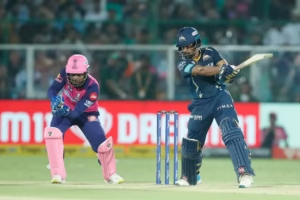
Today, however, the spotlight has shifted toward a faster, more commercial version of the game—raising concerns about what cricket might be losing in the process.
The Rise of T20 Cricket: Speed Over Substance?
The rapid growth of T20 cricket—driven largely by leagues like the Indian Premier League (IPL)—has transformed how fans consume the sport.
Shorter matches, explosive batting, and instant results have made T20 the most popular format globally. It’s designed for modern audiences: quick, entertaining, and easy to follow.
But this evolution raises an important question:
Has cricket adapted too much to modern attention spans?
Traditionally, cricket rewarded patience—batters building innings over hours, bowlers setting traps, and captains playing the long game. T20 cricket, while exciting, often prioritizes entertainment over depth.
Modern Attention Spans vs Traditional Cricket

A common argument supporting T20 dominance is simple: people don’t have time anymore.
But should the essence of a sport change purely to fit shorter attention spans?
Cricket’s uniqueness lies in its variety of formats. Test matches and ODIs offer something T20 cannot—sustained tension, strategic depth, and emotional investment over time.
True cricket fans don’t just watch matches—they experience them. The slow build of a Test innings or the pressure of a final ODI over cannot be replicated in a three-hour game.
Why Test Cricket and ODIs Still Matter
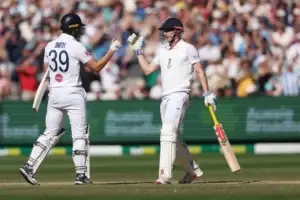
Test cricket remains the ultimate test of skill. It challenges technique, temperament, and mental resilience across changing conditions. Every session matters, and every decision has long-term consequences.
ODIs provide a perfect balance between strategy and urgency. Teams must pace their innings, manage risks, and adapt to evolving match situations.
Without these formats, cricket risks becoming one-dimensional—focused more on spectacle than substance.
The Commercial Impact of T20 Leagues
There’s no denying the financial success of T20 cricket. Franchise leagues bring packed stadiums, global audiences, and massive broadcast deals.
For fans looking to buy cricket tickets, T20 matches are often the most accessible and in-demand events.
However, this commercial success has side effects:
- Reduced bilateral series
- Fewer Test matches
- Increased player focus on franchise leagues over international cricket
As a result, traditional formats are slowly being pushed aside.
Is Cricket Losing Its Essence?
Cricket has always been more than just big hits and quick runs.
It’s about:
- Leaving deliveries outside off-stump with discipline
- Building innings patiently
- Outthinking opponents over long periods
When the game becomes overly focused on speed and entertainment, these deeper elements risk fading away.
Balancing T20 Popularity with Cricket’s Tradition
T20 cricket absolutely has its place. It brings new audiences into the sport and keeps cricket commercially strong.
But it should complement—not dominate—the game.
To maintain balance, cricket’s governing bodies could:
- Reduce the number of franchise tournaments
- Limit excessive bilateral T20 series
- Invest more in Test cricket and ODI competitions
This ensures that all formats continue to thrive.
Why This Matters for Cricket Fans
A balanced cricket ecosystem benefits everyone:
- Fans get a richer viewing experience
- Players develop well-rounded skills
- Matches across formats remain meaningful
For those looking to compare cricket tickets and attend matches, preserving all formats ensures there’s always something unique to experience—whether it’s a high-energy T20 or a historic Test match.
Final Thoughts: Protecting the Soul of Cricket
Cricket doesn’t need to become shorter to stay relevant—it needs to stay true to its roots.
The game was never designed to fit into our schedules. Instead, it invited us to invest time, emotion, and patience.
T20 cricket may define the present, but Test matches and ODIs define cricket’s legacy.
And once that legacy fades, it won’t be easy to bring back.